
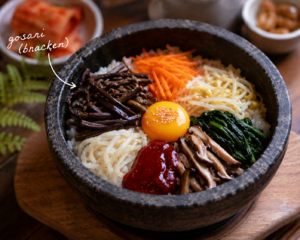
In most of Korea, gosari, or wild bracken, is easy to miss.
It shows up quietly in dishes like bibimbap, just one of many namul (vegetables) on the plate. Functional, familiar, almost forgettable.
But that same ingredient carries a very different weight in Jeju Island.
From Survival, Not Trend
Jeju’s relationship with gosari didn’t start as culture. It started as necessity.
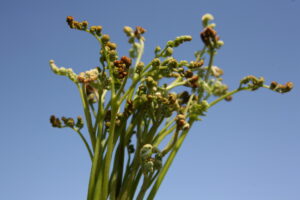
The island’s environment was never designed for abundance. Volcanic soil, limited rice cultivation, and geographic isolation meant that people historically relied heavily on foraging. Wild greens like gosari were not seasonal “experiences,” but part of everyday survival.
Knowledge of when and where to find them, how to pick them, how to prepare them, was passed down informally, embedded into daily life.
From Practice to “Content”
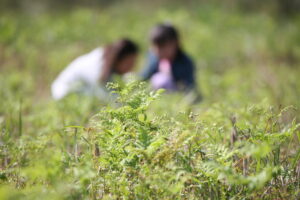
Today, that same act has been reframed through the Jeju Wild Gosari Festival, formally known as Jeju Hallasan Clean Bracken Festival. From a policy and regional development perspective, this is intentional.
Jeju positions gosari as a local specialty resource, turning an existing cultural practice into something visitors can engage with.
In simple terms: what already existed was reshaped into something people would travel for.
But reducing it to “tourism” misses the point.
Preservation, Not Just Celebration
Festivals like this function as preservation mechanisms.
Foraging knowledge is not easily sustained in modern life. As lifestyles urbanize, the gap between people and land widens. Without active transmission, practices like gosari picking risk fading into memory.
By turning it into a participatory event, the festival keeps the practice visible, experiential, and repeatable across generations.
It is not just showcasing culture. It is maintaining it.
A Different Kind of Scarcity
Gosari introduces a constraint that feels unfamiliar in a modern context.
It grows only within a very specific spring window.
If you miss it, there is no workaround. You wait until the next cycle.
This is not supply chain scarcity.
It is seasonal, ecological timing.
And that changes how value is perceived.
When Effort Becomes Value
In Jeju, the ingredient itself is not the luxury.
The act of getting it is.
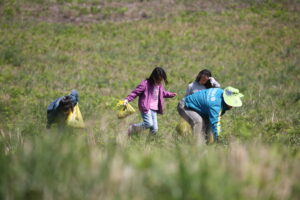
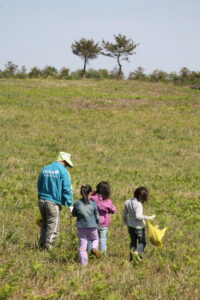
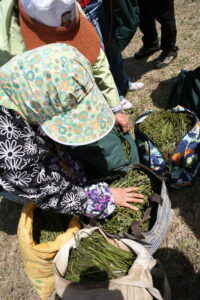
Walking the fields, scanning the ground, bending to pick each shoot by hand, these are not efficient processes. They cannot be scaled or accelerated.
But precisely because of that, effort becomes value.
Experience becomes more important than the end product.
This reverses the usual logic of consumption, where convenience dominates.
Reframing the Plate
Seen this way, gosari is no longer just a side dish.
That one line in your bibimbap represents:
- a foraging-based way of life
- environmental constraints that shaped local diets
- knowledge passed down outside formal systems
- and a modern attempt to preserve all of the above
What the Festival Really Represents
The Jeju Wild Gosari Festival is not an ancient ritual, nor purely a commercial event.
It sits in between.
It is a modern structure built around an old behavior, designed both to promote and to protect it.
And in doing so, it reveals something simple:
Some things are not valuable because they are rare or expensive.
They are valuable because they require time, effort, and the right moment to exist at all.
Missed the season and festival this year? There’s always next spring.
Or maybe the point isn’t the festival at all. It’s noticing what was always there, what is surrounding you…
The festival may only last a few days in April/May… But the rhythm it represents does not.
And perhaps that is the real invitation, not just to visit once, but to return when each season does.